As an Amazon Associate this site earns from qualifying purchases.
The layers, side by side
| Product | Type | Price | Capacity / size | Mounting |
|---|---|---|---|---|
| 8-Pack Closet Organizers Storage, Sturdy Space-Saving Hangers for Wardrobes | Cascading 5-slot hangers, ABS plastic | Check price on Amazon | Up to 30 lbs each; 10 garments horizontally or 5 vertically; 1.4" hook | Hangs on standard closet rod; 360° rotating hook |
| HOUSE DAY Closet Organizers and Storage 12 Pack, College Dorm Essentials | Cascading 5-hole hangers, plastic | Check price on Amazon | 5 garments each; up to 6 lbs horizontal / 8 lbs vertical; 9.4" L × 4" W × 0.8" thick | Hangs on closet rod |
| GORILLA GRIP Over the Door Shoe Organizer, 24 Large Breathable Mesh Pockets | Over-door pocket organizer | Check price on Amazon | 24 mesh pockets; holds up to 40 lbs | Four hooks, fits most doors |
| BOOMIBOO Hanging Closet Organize and Shelves,5-Hanging Shelf with 2 Side Pockets,Storage Foldable (Grey) | Hanging fabric shelf tower | Check price on Amazon | 5 tiers + 2 side pockets; dimensions not stated | Hangs from rod; no tools |
| Handy Laundry 5-Shelf Storage Organizer | Hanging fabric shelf tower | Check price on Amazon | 5 shelves; 12" × 59" | Attaches to any rod with a fastener; no assembly |
| Fordonral 4 Pack Linen Storage Bins | Foldable fabric bins with window | Check price on Amazon | 4 bins, each 15.7" L × 10" W × 6.7" H | Sits on shelf or floor |
Quick answer: A small closet gets bigger in three moves — go vertical with the hanging rod, claim the door, and put loose small stuff in containers so it stops sprawling. The cheapest, highest-leverage starting point is a set of cascading hangers like the 8-Pack Closet Organizers Storage, Sturdy Space-Saving Hangers for Wardrobes, which stack five garments in the width of one. Everything else on this page is a layer you add on top of that, depending on what's actually overflowing.
Before you buy anything, do the boring part: pull everything out, sort it, and be ruthless. Organizers multiply the space you have. They do not create space for clothes you were never going to wear again.
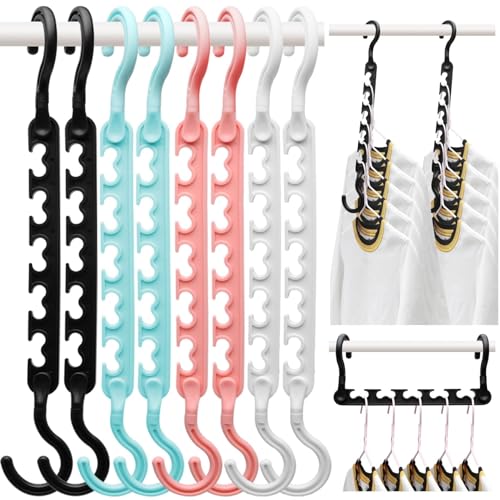
- Instantly Triple Your Closet Space: Our innovative 5-slot cascading design transforms cramped, overflowing wardrobes into neat, organized havens, perfect for optimizing storage in
- Unmatched Durability & Versatility: Crafted from premium, heavy-duty ABS plastic with smooth, snag-free edges, each hanger robustly supports up to 30 lbs, organizing 10 garments
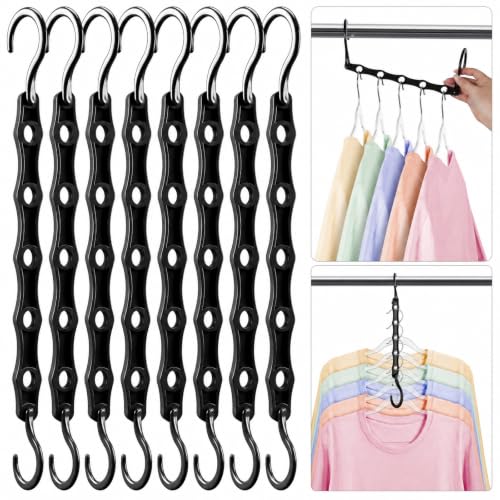
- Durable Closet Organizers and Storage - Made from durable plastics with ideal dimensions measuring at: 9.4" (L) * 4"(W) and 0.8" thick. Every hanger organizer can hold 5 garments
- College Dorm Room Essentials - Multifunctional five holes hanger can help you organize your closet, so you can easily find your favorite dress. Our magic college dorm room
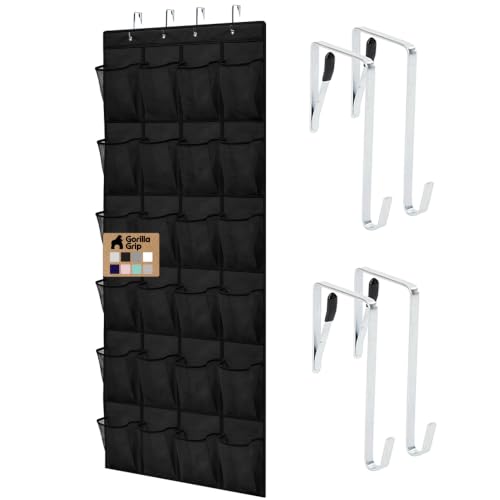
- AWARD WINNING: Winner of the 2026 Good Housekeeping Cleaning Awards recognizing excellence and innovation in home organization
- HOLDS MORE WEIGHT: Gorilla Grip over the door shoe organizer supports up to 40 pounds, made with durable non-woven fabric and reinforced stitching, tough and rip resistant design
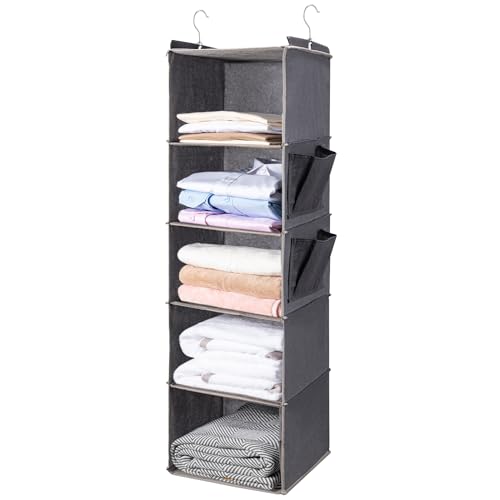
- Maximized Storage: This 5-tier
- Durable Construction: Made with sturdy, breathable fabric and a reinforced steel frame for long-lasting use
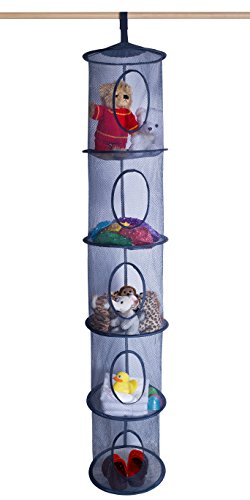
- KEEP ORGANIZED: A great way to keep any assortment of items organized and in easy reach
- FUN FOR KIDS: Children will enjoy using the organizer to make clean up time fast and easy
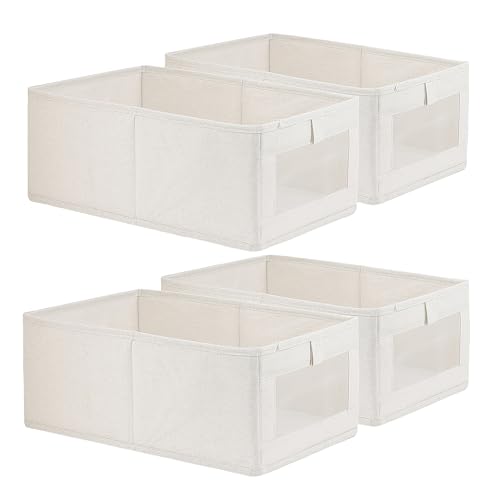
- 【4PCS Linen Storage Boxes with SEE-THROUGH Window】4 pack multifunctional wardrobe organizers to hold clothes, toys, books, and so on. These storage boxes are also ideal for
- 【Larger Capacity Closet Organizer】This Package Include 4PCS foldable storage bins with VISIBLE WINDOW, size 15.7(L) × 10(W) × 6.7(H) Inch, Larger and Higher than regular size
Start with the rod: cascading hangers
The single biggest waste in a small closet is horizontal rod space — every hanger claims about an inch of rod for one shirt. The 8-Pack Closet Organizers Storage, Sturdy Space-Saving Hangers for Wardrobes attacks that directly with a 5-slot cascading design. Each one is rated to 30 lbs and holds 10 garments horizontally or 5 vertically, and the 1.4-inch hook is sized for standard closet rods. The hook rotates 360°, which matters more than it sounds like it does — you can spin a stack toward you instead of shuffling the whole rail.
The best how to organize small closet for your situation depends on how you plan to use it and where.
Eight of them at $4.99 is the least money you can spend to meaningfully change a closet. Use them for categories: work shirts on one, jeans on another, jackets on a third. That's the part people skip, and it's why some closets get "organized" and immediately un-organize.
Who it's for
- Anyone whose rod is packed shoulder-to-shoulder but whose closet still has empty air below the hems.
- Renters, dorm residents, and apartment dwellers who can't drill anything.
- People who own a lot of one category — shirts, blouses, trousers — that's begging to be grouped.
- Anyone testing whether organizing is going to work before spending real money.
Who should skip it
- If your closet is short-hang only (a shelf right below the rod), vertical stacking has nowhere to go. Measure the drop first.
- If most of what you own is bulky — parkas, thick knits — five per hanger will be optimistic even inside the 30 lb rating, and the stack gets awkward to lift.
- If your problem is loose small items — socks, scarves, shoes, bags — hangers don't help. Skip to pockets and bins.
- If your rod is a flimsy tension rod, adding concentrated weight in a few spots is asking for a collapse.
The honest trade-offs
Cascading hangers make your closet denser, not more accessible. To get to garment #4 on a stack you move #1 through #3. That's fine for off-season and occasional-wear items and mildly annoying for the shirt you grab every Tuesday. The fix is to keep one section of rod as normal single hangers for daily rotation, and cascade everything else.
Weight ratings also matter more than people expect. The HZZILEY set is rated to 30 lbs per hanger; the HOUSE DAY set is rated to 6 lbs horizontal and 8 lbs vertical. Those are very different loads, and a rod that was fine with spread-out clothing can sag when you concentrate 30 lbs into three inches. Check what your rod is anchored into before you load up.
Hanging fabric shelves have their own tax: they eat rod length. A 12-inch-wide tower takes a foot of hanging space away permanently. That's a good trade if it replaces a messy pile, and a bad one if you're already short on rod.
What to check on the listing before you buy
Listings shift constantly, so verify these yourself rather than trusting any number on a page like this one:
- Current price. Every price here is a snapshot. Multi-packs especially bounce around.
- Pack count and variant. The HZZILEY listing is an 8-pack, HOUSE DAY is a 12-pack, Fordonral is a 4-pack. Color and size variants sometimes sit on the same listing at different prices — confirm the one in your cart.
- Dimensions against your closet. Measure rod height, rod depth, and door thickness before ordering. Over-door products fail on thick or trimmed doors.
- Warranty and return window, since fabric organizers and plastic hangers are exactly the category where a bad batch shows up in week two.
- Recent reviews. Go read them yourself, sorted by newest, and look specifically for complaints about cracking, sagging, or hooks that don't fit standard rods.
GORILLA GRIP Over the Door Shoe Organizer, 24 Large Breathable Mesh Pockets — consider instead if…
Your floor is the disaster, not your rod. The GORILLA GRIP Over the Door Shoe Organizer uses the back of the door — the one surface almost every small closet wastes — with 24 breathable mesh pockets rated to hold up to 40 lbs total. Four hooks fit most doors, and the mesh means you can see what's in each pocket. It's also a 2026 Good Housekeeping Cleaning Awards winner. Don't limit it to shoes; the pockets take cleaning supplies, toiletries, and accessories just as well.
BOOMIBOO Hanging Closet Organize and Shelves,5-Hanging Shelf with 2 Side Pockets,Storage Foldable (Grey) — consider instead if…
You need folded storage and have zero shelves. The BOOMIBOO Hanging Closet Organize and Shelves,5-Hanging Shelf with 2 Side Pockets,Storage Foldable (Grey) gives you five tiers plus two side pockets from breathable fabric over a reinforced steel frame, with no tools needed to set it up. At $9.99 it's an inexpensive way to convert dead vertical air under short-hanging clothes into sweater and t-shirt storage.
Handy Laundry 5-Shelf Storage Organizer — consider instead if…
You want a taller hanging tower with a known footprint. The Handy Laundry 5-Shelf Storage Organizer measures 12" × 59", attaches to any rod with a strong fastener, and needs no assembly. It's pitched at kids' rooms — the navy blue version is one of several colors and designs — and works well for toys, gloves, hats, and mittens where you want a child to be able to put things back without help.
Fordonral 4 Pack Linen Storage Bins — consider instead if…
Your shelf is a landslide of loose clothing. The Fordonral 4 Pack Linen Storage Bins are 15.7" × 10" × 6.7" fabric boxes with a see-through window, so you can identify contents without unstacking. They fold flat when not in use, which is useful for seasonal rotation — pack away winter knits, then collapse the empty bins in summer.
HOUSE DAY Closet Organizers and Storage 12 Pack, College Dorm Essentials — consider instead if…
You need more hangers than eight and lighter loads. The HOUSE DAY Closet Organizers and Storage 12 Pack gives you twelve five-hole hangers at 9.4" × 4" × 0.8", each rated for 5 garments up to 6 lbs horizontally or 8 lbs vertically, with smoothed and beveled edges to avoid snagging. The brand claims the design saves 80% of wardrobe space. Good for shirts, blouses, and light layers across a whole closet; not the choice for heavy coats.
FAQ
What should I do first in a small closet? Empty it completely and sort into keep, donate, and store-elsewhere. Buying containers before you edit just gives clutter a nicer home.
Do cascading hangers wrinkle clothes? Less than folding does, since garments hang free. The bigger risk is packing a stack so tightly that garments press against each other. Leave a little air.
Are over-door organizers safe on any door? Not any. Hook designs fit a range of door thicknesses, and thick or trim-heavy doors can prevent the door from closing. Measure your door edge and compare it to the listing before ordering.
Should I organize by type or by color? Type first, color second within each type. Type-grouping is what actually shortens your morning; color is a refinement you can add later.
Related guides
- What Is Cube Storage and How to Use It
- Editorial Policy: How Shelvehaus Researches and Reviews Products
- Best Storage Furniture for Hoarding Clothes & Goods 2026
Key Takeaways
- Choosing the right how to organize small closet means matching the key features to your specific needs and budget
- Read real customer reviews and check the return policy before you commit
- Compare value across models — the priciest option is not always the best fit